Tracing Regulatory Influences on Bonus Clearance Patterns in Live-Streamed Single-Zero Wheel Sessions Across Licensed Platforms
Written by Iris Perry · Sep 30, 2026
Tracing Regulatory Influences on Bonus Clearance Patterns in Live-Streamed Single-Zero Wheel Sessions Across Licensed Platforms
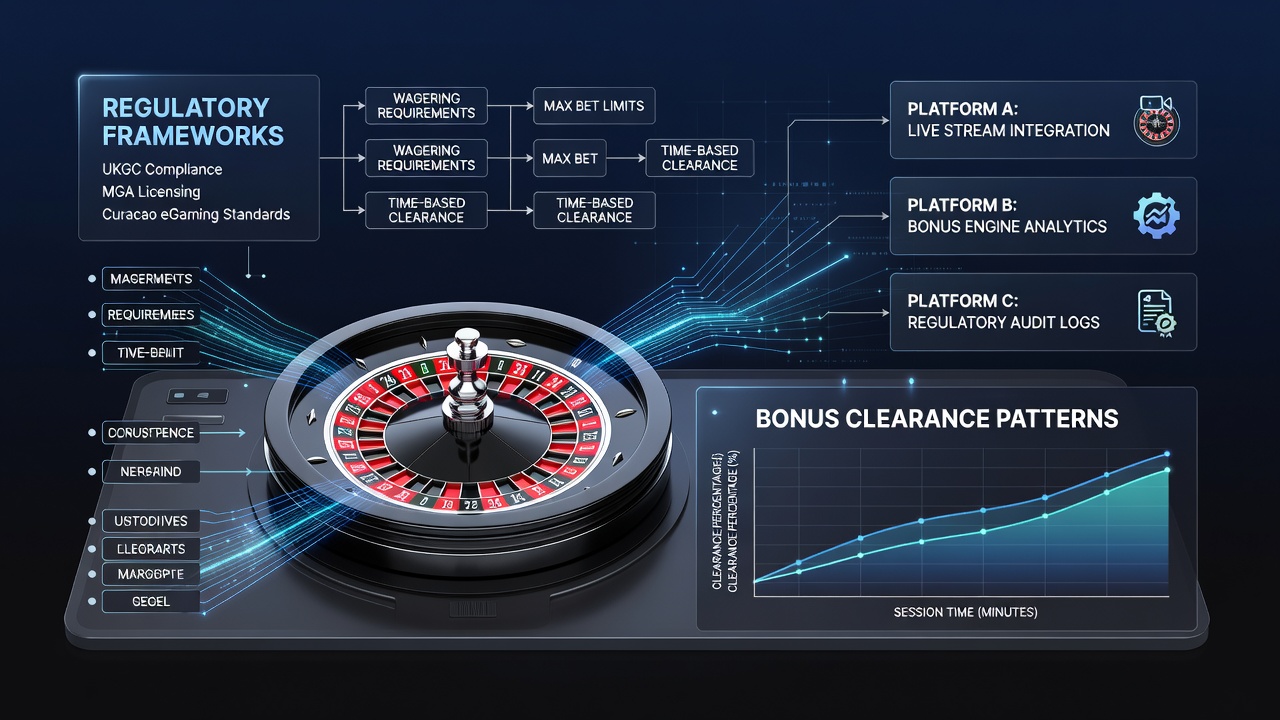
Regulatory frameworks shape how players navigate bonus clearance in live-streamed single-zero wheel sessions, and these structures vary significantly across jurisdictions that license online gaming operations. Data from multiple markets shows that wagering requirements tied to roulette bets often carry reduced contribution percentages compared to other games, which directly affects the pace at which players complete bonus conditions during extended streaming sessions. Observers note that single-zero configurations, common in European-style live streams, frequently appear under rules that limit bet coverage options when bonuses remain active.
Key Regulatory Mechanisms Across Jurisdictions
Licensed platforms must align bonus structures with local gaming statutes, and this alignment produces distinct clearance patterns that researchers track through aggregated player data. In regions overseen by the New Jersey Division of Gaming Enforcement, for instance, operators apply specific contribution caps on even-money bets during live single-zero streams, which slows bonus progression when players favor those wagers. Similar provisions appear in Canadian provincial frameworks, where the Alcohol and Gaming Commission of Ontario requires transparent disclosure of roulette bet weighting that influences how quickly clearance occurs across streamed sessions.
European operators face additional layers from national licensing bodies that mandate minimum game fairness standards, and these standards translate into bonus terms that restrict certain hedging strategies common in single-zero wheel play. Figures reveal that platforms adjust clearance timelines in response to these mandates, particularly when live streams incorporate real-time regulatory reporting tools that flag non-compliant betting sequences. What's interesting is how these adjustments create measurable differences in session duration data collected between 2024 and 2026.
Patterns Observed in Live-Streamed Environments
Live-streamed single-zero sessions introduce timing variables that offline bonus systems rarely encounter, since regulatory oversight now extends to broadcast integrity and real-time player verification protocols. Studies indicate that clearance rates dip during peak streaming hours when platforms enforce stricter identity checks mandated by updated licensing agreements, and this effect compounds when bonuses carry time-bound validity periods. Platforms respond by modifying contribution matrices so that column or dozen bets receive higher weighting in certain markets, which alters the strategic distribution of wagers visible during live broadcasts.
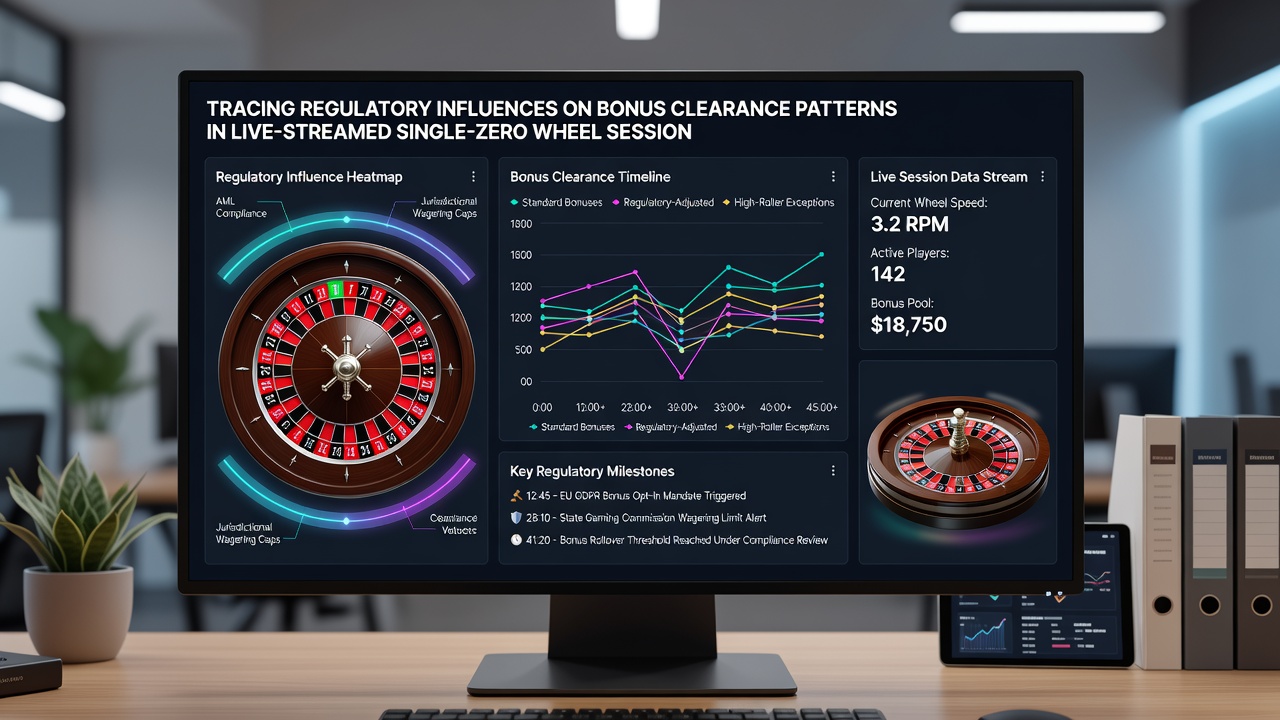
September 2026 marks the scheduled implementation date for revised technical standards in several licensing regions, and these changes are expected to standardize how platforms report bonus-related roulette activity to oversight bodies. Operators have already begun testing updated interfaces that display clearance progress alongside regulatory compliance metrics, which provides players with clearer visibility into remaining wagering obligations. Data collected from pilot programs shows modest shifts in average session lengths when these display elements activate during live streams.
Comparative Effects on Player Behavior and Platform Operations
Comparative analyses across licensed markets demonstrate that bonus clearance patterns diverge most sharply where contribution percentages for single-zero wheel bets differ by more than twenty percentage points. Platforms operating under multiple licenses therefore maintain region-specific bonus engines that recalibrate automatically based on detected player location, and this technical approach prevents cross-jurisdictional violations while preserving session continuity in live streams. Researchers tracking these systems report consistent patterns where players shift toward outside bets once clearance thresholds near completion, a behavior encouraged by the underlying regulatory weighting rules.
Industry reports further document that audit requirements tied to bonus promotions compel operators to archive detailed betting logs from every live single-zero session, creating extensive datasets that reveal seasonal fluctuations in clearance velocity. These datasets, when aggregated, highlight how regulatory updates implemented between 2023 and 2025 produced measurable compression in the time required to satisfy wagering conditions on certain platforms. The ball's in the operators' court when new reporting mandates arrive, and adaptation typically involves recalibrating bonus parameters rather than altering core game mechanics.
Conclusion
Regulatory influences continue to mold bonus clearance dynamics within live-streamed single-zero wheel environments by dictating contribution rates, disclosure requirements, and technical compliance standards that platforms must satisfy. Evidence from multiple licensing authorities underscores the measurable impact these rules exert on session patterns and operational adjustments, particularly as September 2026 approaches with its anticipated standard revisions. Those who monitor these developments observe ongoing refinement rather than wholesale transformation, as operators balance player engagement with sustained regulatory alignment across diverse geographic markets.