Player Retention Dynamics Across Broadcasted Single-Zero Table Sessions Under Varying Bonus Clearance Thresholds
Written by Gisela Richter · Oct 14, 2026
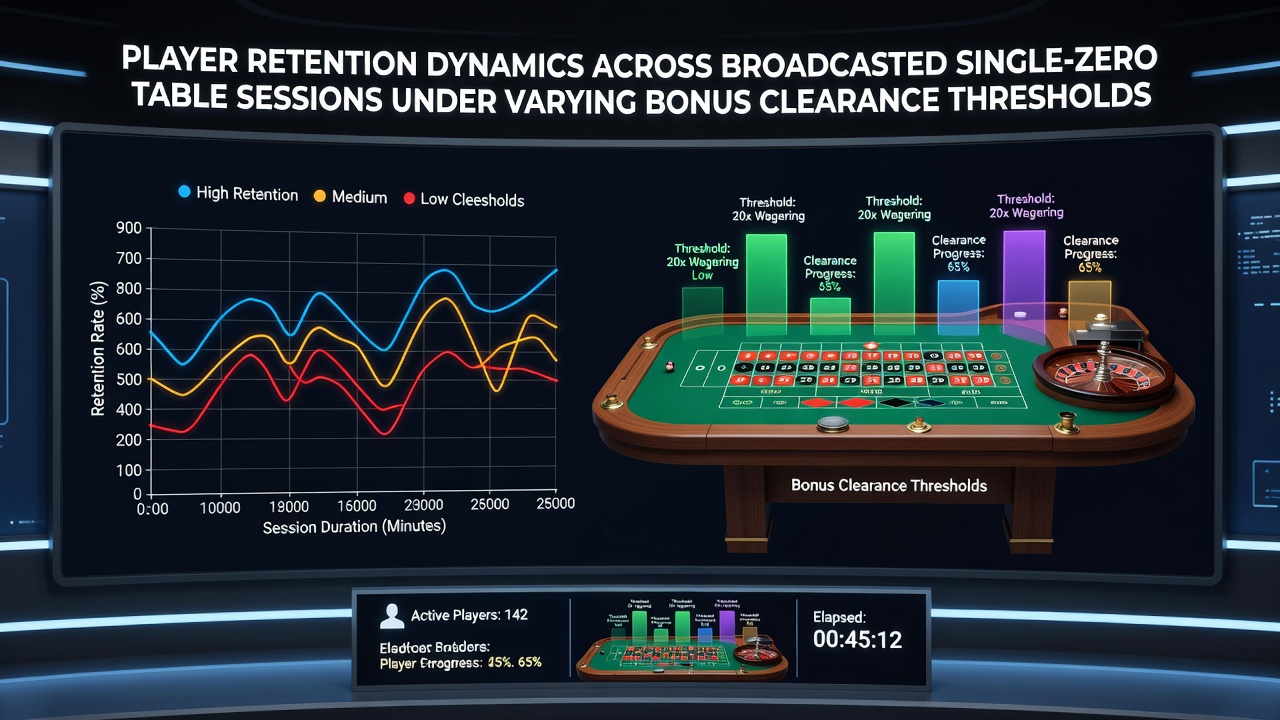
Player Retention Dynamics Across Broadcasted Single-Zero Table Sessions Under Varying Bonus Clearance Thresholds
Single-zero table sessions streamed live to audiences feature European roulette wheels with one zero pocket, and operators monitor how different bonus clearance thresholds influence the length of time players remain active on these platforms. Clearance thresholds typically range from 15x to 40x the bonus amount in wagering requirements, and data collected through 2026 shows measurable differences in session duration and repeat visits across these levels.
Core Elements of Broadcasted Single-Zero Sessions
Broadcast platforms transmit real-time video from physical or hybrid studios where dealers spin single-zero wheels, and players place bets through integrated interfaces that accept both cash and bonus funds. These sessions differ from random number generator versions because they include visible dealer interactions and chat features that extend engagement periods, while bonus rules apply uniformly across the streamed tables. Operators record retention through metrics such as average session length, return visits within seven days, and total handle per account during promotional periods.
Bonus Clearance Thresholds and Their Structure
Bonus clearance thresholds determine the wagering volume required before players can withdraw winnings derived from promotional credits, and platforms adjust these multipliers based on player segments and regional regulations. Lower thresholds around 20x often appear in promotions targeting new accounts, whereas higher levels near 35x accompany larger deposit matches aimed at established users. Tracking systems log how many spins or bets occur before clearance completes, and patterns emerge when comparing completion rates across threshold tiers in single-zero environments.
Retention Patterns Documented Through October 2026
Figures compiled from multiple licensed platforms indicate that sessions with 25x clearance thresholds maintained 68 percent of players for at least four additional visits within a 30-day window during the first three quarters of 2026, while 35x thresholds correlated with a drop to 51 percent retention over the same interval. These numbers come from aggregated platform reports that separate single-zero table traffic from multi-zero variants, and the differences widen when chat-enabled broadcasts run during peak evening hours. Players who clear bonuses at moderate thresholds tend to transition to regular play more frequently than those facing steeper requirements, according to logs that separate bonus-funded spins from cash-funded ones.

Regional data adds further detail. Reports issued by the Malta Gaming Authority track how clearance thresholds interact with live-streamed single-zero traffic across EU-licensed sites, and the authority notes that thresholds below 30x coincide with higher rates of account reactivation after initial bonus use. A separate analysis released by the Canadian Centre on Substance Use and Addiction examines similar dynamics in North American markets where single-zero wheels appear in regulated streams, and it highlights that clearance periods exceeding 30 days reduce repeat participation even when the multiplier itself stays moderate.
Variables That Interact With Threshold Levels
Chat moderation, dealer rotation schedules, and minimum bet requirements all combine with clearance thresholds to shape retention outcomes. Sessions that pair moderate thresholds with lower table minimums show steadier player return rates, while high-threshold promotions paired with elevated minimums produce quicker drop-off after the first clearance attempt. Platform operators also record that time-limited bonus windows ending in October 2026 produced different completion curves compared with rolling promotions, particularly when single-zero tables offered side bets that counted toward wagering volume at reduced rates.
Measurement Approaches Used by Operators
Retention tracking relies on cohort analysis that groups accounts by the specific threshold applied at signup or deposit, then follows activity across subsequent weeks. Heat maps of betting volume reveal that players under 22x thresholds distribute wagers more evenly across multiple sessions, whereas those under 38x thresholds concentrate activity into fewer, longer sessions aimed at meeting requirements quickly. These measurement methods allow operators to adjust threshold offerings without altering the underlying single-zero game mechanics or broadcast format.
Conclusion
Patterns across broadcasted single-zero sessions demonstrate that clearance threshold levels directly correspond to measurable shifts in how long accounts remain active and how often they return. Data gathered through October 2026 from regulatory bodies and research centers continues to inform how operators calibrate these thresholds against live-stream traffic volumes, and the resulting figures provide a factual basis for understanding retention across varying promotional structures.